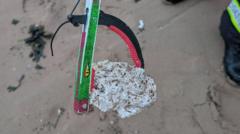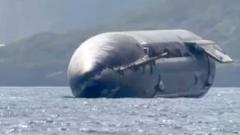
A massive piece of debris believed to be from a SpaceX rocket has been discovered floating off the coast of Christmas Island, leaving local residents stunned. The unusual find, which occurred earlier this week, was confirmed by experts as part of a Falcon 9 rocket used for satellite launches. The sighting has sparked discussions about space debris and its potential environmental impact. This discovery highlights the growing issue of space exploration's footprint on Earth and its oceans.
Key Takeaways
- SpaceX rocket debris was found floating near Christmas Island this week.
- Local residents identified the object, later confirmed as part of a Falcon 9 rocket.
- Concerns are mounting about space debris impacting Earth's ecosystems.
- The incident highlights the need for sustainable practices in space exploration.
Background
SpaceX, the private aerospace company founded by Elon Musk, has revolutionized space travel with its reusable rocket technology. Since the launch of its first Falcon 1 rocket in 2008, the company has conducted hundreds of missions, many of which involve the Falcon 9 model. While the reusable design reduces waste, some parts of the rocket, such as the second stage, are often left to burn up in Earth's atmosphere or fall into remote ocean regions.
Christmas Island, located in the Indian Ocean, is a remote Australian territory known for its unique wildlife and pristine waters. The discovery of the rocket debris has raised questions about the environmental risks of increasing space activity and whether enough is being done to mitigate these impacts.
What Happened
Earlier this week, a Christmas Island resident stumbled upon a large object floating in the waters off the island’s coast. Upon closer inspection, it was identified as a piece of a SpaceX Falcon 9 rocket. The cylindrical object, covered in scorch marks and bearing SpaceX branding, was confirmed by experts to be part of the rocket's second stage.
The Falcon 9, known for its reusable first stage, often jettisons its second stage during missions, leaving it to re-enter Earth's atmosphere. While most stages burn up harmlessly, some debris can survive and end up in oceans or remote areas. According to BBC News, this specific debris is believed to have been part of a launch conducted earlier this year.
Why It Matters
The discovery of SpaceX debris near Christmas Island underscores a growing concern about space exploration’s environmental impact. With an increasing number of launches by government and private entities, space debris is becoming a pressing issue. While much of this material burns up during re-entry, the pieces that survive can harm marine ecosystems and pose risks to local communities.
Experts warn that as the space industry grows, so will the volume of debris entering Earth's atmosphere. This incident serves as a reminder of the need to develop sustainable practices in space exploration, such as improved disposal methods and stricter international regulations.
Moreover, the discovery has reignited discussions about the role of private companies like SpaceX in addressing the unintended consequences of their missions. With billions spent on advancing space technologies, questions are being raised about whether enough investment is being made to ensure their environmental footprint is minimized.
Deeper Analysis
The issue of space debris is not new, but it is becoming more urgent. According to the European Space Agency (ESA), there are over 36,000 pieces of debris larger than 10 centimeters orbiting Earth, and countless smaller fragments. These objects not only threaten satellites and space missions but also have the potential to impact ecosystems when they re-enter the atmosphere.
SpaceX has been at the forefront of addressing these challenges by pioneering reusable rocket technology. However, incidents like the Christmas Island discovery highlight the limitations of current approaches. While reusability reduces waste, the disposal of non-reusable components, such as the second stage, remains a challenge.
Some experts argue that international cooperation is essential to tackle this issue effectively. Initiatives like active debris removal and stricter regulations on satellite end-of-life disposal could play a crucial role. Additionally, public awareness and engagement are key to holding companies accountable for their environmental impact.
What Happens Next
The discovery near Christmas Island could prompt further investigations into the environmental impact of space debris. Local authorities may collaborate with international organizations to assess the ecological damage caused by the rocket part. Meanwhile, SpaceX and other private space companies might face increased pressure to improve their waste management practices.
On a broader scale, this incident could accelerate discussions around international space law and the need for updated regulations to address the challenges of modern space exploration. As the industry grows, developing sustainable solutions will be critical to ensuring that space exploration benefits humanity without harming our planet.
Frequently Asked Questions
What is the significance of the SpaceX debris found near Christmas Island?
The discovery highlights the environmental risks associated with space exploration and the growing problem of space debris. It raises awareness about the need for sustainable practices and stricter regulations in the industry.
How does SpaceX manage rocket debris?
SpaceX uses reusable technology to reduce waste, but not all components are retrievable. The second stage of its Falcon 9 rockets often burns up in the atmosphere or falls into the ocean, as seen in this case.
What are the environmental impacts of space debris?
Space debris can harm marine ecosystems, pollute oceans, and pose risks to coastal communities. Additionally, the increasing volume of debris in Earth's orbit threatens satellites and future space missions.
Bottom Line
The discovery of SpaceX rocket debris near Christmas Island serves as a stark reminder of the environmental costs of space exploration. As the industry continues to grow, addressing the issue of space debris becomes increasingly critical. BBC News first reported this story.
Related Reading
- Sachin Bansal’s fintech Navi raises first outside capital with $100M Prosus investment
- Amazon makes its AI-powered Alexa+ free on Fire TV, no Prime required
- Amazon’s Prime Air is taking off in nearly 500 U.S. cities
- Retail giant Target receives $1bn boost from tariff refunds
- US retail giant receives $1bn boost from tariff refunds