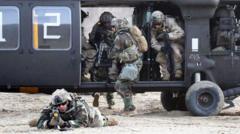
South Korea has agreed to shorten its joint military exercises with the United States, following a request from Washington. The announcement, made on Wednesday, reflects a shift in the duration of the drills, which have long been a cornerstone of the alliance between the two nations. The decision comes amid efforts to manage regional tensions, particularly with North Korea, and underscores evolving dynamics in U.S.-South Korea military cooperation. This move could signal broader implications for security in the Asia-Pacific region.
Key Takeaways
- South Korea will shorten joint military drills with the U.S. at Washington's request.
- The decision aligns with diplomatic efforts to reduce tensions with North Korea.
- These exercises have historically been critical to South Korea's defense strategy.
- The change comes amid broader shifts in U.S. military posture in the Indo-Pacific.
Background
The joint military exercises between South Korea and the United States have been a central part of their defense alliance since the Korean War. These drills are designed to prepare both militaries for potential conflict with North Korea and to deter aggression in the region. However, these exercises have often drawn criticism from Pyongyang, which views them as rehearsals for invasion.
In 2018, then-President Donald Trump announced plans to scale back the drills after meeting with North Korean leader Kim Jong Un, citing the need to support diplomatic negotiations. While the exercises resumed in subsequent years, their scope and frequency have occasionally been adjusted based on regional security concerns.
What Happened
South Korea’s Defense Ministry confirmed that the upcoming joint military drills would be shortened. Though the exact duration was not disclosed, officials stated the decision was made at the request of the United States. The ministry emphasized that the change would not compromise readiness or operational capabilities.
The announcement follows ongoing discussions between Seoul and Washington about adapting their military strategies to address emerging threats, including challenges posed by North Korea's ballistic missile program. The U.S. Department of Defense has not yet released a statement on the revised schedule.
Why It Matters
The reduction in the duration of these drills reflects a delicate balancing act. On one hand, South Korea and the U.S. aim to maintain a strong defense posture in the face of North Korean provocations. On the other, the decision aligns with diplomatic efforts to reduce tensions on the Korean Peninsula.
This development also signals potential adjustments in how the U.S. engages militarily in the Indo-Pacific region. With growing challenges from China and North Korea, Washington may be recalibrating its focus. For South Korea, the shortened exercises raise questions about the long-term implications for its security.
What Happens Next
South Korea and the U.S. are expected to continue fine-tuning their military cooperation. Experts suggest that while shortening the drills may ease tensions with Pyongyang, it could embolden North Korea to pursue more aggressive actions.
Additionally, this decision could influence ongoing discussions around broader U.S. defense strategies in the region, including its alliances with other nations like Japan and the Philippines. The international community will closely watch how this adjustment impacts regional stability in the coming months.
Frequently Asked Questions
Why did South Korea agree to shorten the exercises?
South Korea shortened the exercises following a request from Washington. This decision likely reflects efforts to balance military readiness with diplomatic strategies aimed at reducing tensions with North Korea.
Will the shorter drills affect South Korea’s defense capabilities?
South Korea’s Defense Ministry has assured that the shortened drills will not compromise military readiness. However, some analysts argue that reduced training time could gradually impact long-term preparedness.
How does this change relate to North Korea?
North Korea has historically opposed these joint drills, claiming they are provocative. Shortening the exercises may be seen as a conciliatory gesture toward Pyongyang, though it remains unclear if this will lead to reduced hostility.
Bottom Line
South Korea’s decision to shorten joint military exercises with the U.S. highlights the delicate balance between maintaining security and pursuing diplomacy in the region. The move underscores broader shifts in U.S.-South Korea military collaboration as both nations navigate evolving threats. Reporting by BBC News.
Related Reading
- Google launches new study tools for students across Search and Gemini
- Robinson & Tongue give Root an ideal start to England's new era
- Researchers say OpenAI revoked their access to limited cyber program
- Ecuador intelligence chief and five Americans killed in Kenya helicopter crash
- US long-term borrowing costs ease after government steps in