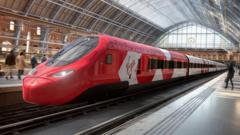
Virgin Group has taken a significant step towards operating passenger rail services through the Channel Tunnel, aiming to provide up to 20 daily journeys to Europe. The move signals Virgin's ambitions to expand its footprint in international railway operations. However, the firm must secure additional approvals to operate on overseas tracks, a complex process requiring negotiations with multiple European authorities. This development could reshape cross-border travel and competition in the rail sector.
Key Takeaways
- Virgin Group plans up to 20 daily Channel Tunnel rail journeys to European destinations.
- Additional approvals for overseas tracks are required before operations can begin.
- Expansion could increase competition in international rail travel.
- The move aligns with Virgin’s broader business strategy of international growth.
Background
Virgin Group has long been a major player in the travel and transport industry, operating airlines, rail services, and cruise ventures. Its latest initiative aims to capitalize on growing demand for sustainable travel across Europe. The Channel Tunnel, connecting the UK to mainland Europe, is a key route for passengers and freight, making it a lucrative market for Virgin.
Eurostar currently dominates passenger services through the tunnel, but Virgin’s entry could provide travelers with an alternative operator and potentially lower fares. This development follows Virgin’s history of innovation in rail services, including its former operations of Virgin Trains in the UK.
What Happened
Virgin submitted initial proposals to operate rail services through the Channel Tunnel, targeting up to 20 daily journeys to European destinations. While the company has received approval to use the tunnel infrastructure, it must now navigate the regulatory requirements to operate on overseas tracks. This includes compliance with European safety standards, agreements with national rail operators, and access to train stations in countries like France, Belgium, and Germany.
Virgin’s expansion plans come as the demand for rail travel grows amid climate change concerns and the push for greener transport solutions. The company has not disclosed a timeline for launching services but indicated that negotiations with European authorities are underway.
Why It Matters
Virgin’s entry into Channel Tunnel operations could disrupt the market, introducing competition to a route historically dominated by Eurostar. Increased competition might lead to improved services, more affordable fares, and more route options for passengers.
The initiative also highlights the growing importance of rail travel as a sustainable alternative to air travel. With Virgin Group's global brand recognition and experience in transport, its expansion could set new standards for international rail services. Moreover, this move aligns with the UK’s efforts to strengthen post-Brexit trade and travel ties with Europe.
What Happens Next
Virgin must secure additional approvals from European rail authorities before launching operations. This includes obtaining route access, station agreements, and meeting safety certification requirements.
If successful, Virgin plans to develop a comprehensive timetable and route network, targeting major cities across Europe. The company is expected to update stakeholders and the public on its progress in the coming months.
Frequently Asked Questions
What approvals does Virgin need to operate overseas?
Virgin must secure regulatory clearance from European rail authorities to operate on overseas tracks. This includes compliance with safety standards, agreements with national operators, and station access rights in countries like France and Germany.
How will Virgin's entry impact passengers?
Virgin’s presence could introduce competition to the Channel Tunnel route, potentially lowering fares and improving service quality. Passengers may also benefit from new destinations and more frequent services across Europe.
When could Virgin services begin operating?
There is no confirmed timeline yet. Virgin is currently in discussions with European rail authorities, and operations will depend on the speed of regulatory approvals and infrastructure agreements.
Bottom Line
Virgin Group is taking steps towards operating passenger rail services through the Channel Tunnel, aiming to expand its presence in international railway travel. This move could reshape the market and benefit travelers while requiring significant regulatory hurdles to overcome. Reporting provided by BBC News.
Related Reading
- Crypto hardware wallet owners face fresh security risks after recent spate of personal data thefts
- Pocognoli 'feels connection' with 'passionate' Scotland
- Scottish FA withdraws support for Fifa president Infantino
- Swansea Au Vodka reportedly in talks over £500m sale to BuzzBallz owner
- Fery named in GB Davis Cup team to face Ecuador