At least 13 killed in Kyiv as Ukraine grapples with air‑defence shortages
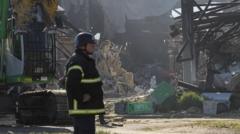
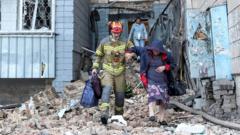
A coordinated missile and drone strike hit Kyiv on Thursday, shattering apartment blocks and warehouses in the city’s north‑west districts. Ukrainian officials confirmed that at least 13 civilians died and dozens more were injured. The assault comes as Kyiv struggles to replace ageing air‑defence systems lost after years of conflict. The loss of life and the apparent gaps in Ukraine’s protective shield have renewed calls for accelerated Western aid.
Key takeaways
- Over a dozen civilians killed in Kyiv’s largest civilian‑targeted strike this year.
- Ukraine’s air‑defence inventory is critically low, hindering rapid response to mass attacks.
- Officials warn that similar “massive attacks” could recur without new interceptor deliveries.
- International partners are debating additional funding while Ukraine seeks urgent replenishment.
Background
Since 2022, Ukraine has depended on a patchwork of Soviet‑era systems, NATO‑supplied missiles and donated interceptors to shield its cities. The steady depletion of these assets, aggravated by Russian “saturation” tactics, has left gaps that adversaries can exploit. Analysts note that the shortage is not merely logistical but also political, as donor nations balance budget constraints with the urgency of the war. For broader context on how regional conflicts strain resources, see the recent report on the Ecuador intelligence chief and five Americans killed in Kenya helicopter crash.
What happened
On Thursday afternoon, radar operators detected a wave of incoming projectiles aimed at Kyiv’s residential zones. The first wave struck an eight‑storey apartment block on the outskirts of the city, collapsing several floors and igniting a fire that quickly spread to a nearby warehouse. A second wave hit a second warehouse complex, causing explosions that further hampered emergency response. Emergency services, already stretched thin, reported that the lack of functional anti‑missile batteries forced them to rely on civilian shelters and improvised warning systems.
Why it matters
The attack underscores a growing vulnerability in Ukraine’s civil defence architecture. With limited modern interceptors, the country is forced to prioritize high‑value military sites, leaving densely populated neighborhoods exposed. The human toll—13 dead and many more injured—highlights the urgent humanitarian dimension of air‑defence shortfalls. Similar challenges have been documented in other nations coping with sudden spikes in aerial threats, as detailed in the coverage of Four workers dead after being hit by train in Japan.
Beyond the immediate tragedy, the strike threatens to erode public confidence in Kyiv’s ability to protect its citizens. Internationally, the incident may accelerate discussions within NATO and the European Union about fast‑track delivery of Patriot, SAMP/T or other high‑performance systems. For readers tracking the evolving security landscape, the story is also featured in the broader world section of our coverage.
What happens next
Ukrainian Defence Ministry spokesperson Colonel Oleksandr Pavliuk announced an urgent request for additional interceptor missiles from partner countries. He emphasized that any new deliveries must be integrated quickly, citing recent drills that demonstrated the feasibility of rapid deployment. In parallel, Kyiv’s civil‑defence agency is expanding the network of early‑warning sirens and public alerts, hoping to buy time for civilians during future attacks.
Western allies are meeting in Brussels next week to assess the feasibility of a supplemental aid package that could include medium‑range air‑defence batteries. If approved, the equipment could begin arriving within weeks, though training and logistical hurdles remain. Stakeholders are urged to follow updates on Chronicle News for real‑time developments.
Frequently asked questions
How many casualties were reported?
Officials confirmed at least 13 civilian deaths and a significant number of injuries, though the exact figure for the injured is still being tallied.
Why is Ukraine’s air‑defence capacity low?
Years of sustained combat have depleted stockpiles, and replacement shipments have been slowed by production bottlenecks and export controls in donor nations.
What types of weapons were used in the Kyiv attack?
The strike combined cruise missiles and loitering drones, a tactic increasingly employed to overwhelm limited interceptor systems.
Bottom line
The Thursday raid that killed 13 people in Kyiv highlights urgent gaps in Ukraine’s air‑defence capabilities. The incident is prompting renewed diplomatic pushes for rapid delivery of modern interceptors, as reported by BBC News.
Related reading
- Ecuador intelligence chief and five Americans killed in Kenya helicopter crash
- Four workers dead after being hit by train in Japan
- [Israel opens up bids for highly sensitive West Bank settlement project](/articles/is