Eclipse warning: The key signs you may have damaged your eyes
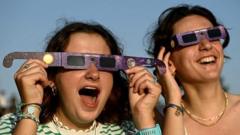
Millions of people across North America and parts of Europe watched the total solar eclipse on April 8, 2024, often without proper protection. Health officials are now warning that looking directly at the Sun—whether during the brief totality or the surrounding phases—can cause irreversible retinal injury. The British Broadcasting Corporation (BBC) has highlighted blurred vision, after‑images, and pain as early indicators of solar‑induced eye damage. Understanding these symptoms matters because timely medical attention can limit permanent vision loss and help public‑health agencies refine safety messaging for future celestial events.
Key takeaways
- Blurred or fuzzy vision within hours of viewing suggests possible solar retinopathy.
- Persistent after‑images, known as “phosphenes,” may indicate photochemical damage to the retina.
- Eye pain, redness, or light sensitivity often point to corneal irritation called photokeratitis.
- Immediate ophthalmic assessment improves chances of preserving sight and preventing long‑term scarring.
Background
Solar eclipses have fascinated humanity for millennia, but they also pose a unique ocular hazard. The Sun’s intense ultraviolet (UV) and infrared radiation can burn the retinal pigment epithelium, a condition called solar retinopathy, even when the Sun appears partially covered. Unlike ordinary sunburn, the damage occurs silently; the retina lacks pain receptors, so victims may not realize harm until vision blurs. Public‑health campaigns routinely distribute ISO‑certified eclipse glasses, yet many spectators still use improvised filters, sunglasses, or simply stare at the event, increasing risk.
What happened
During the 2024 eclipse, ophthalmologists in the United States and Canada reported a surge in emergency‑room visits for eye complaints. Clinics noted a pattern: patients arrived with complaints of “ghost images” of the Sun, a sudden loss of sharpness, or a gritty sensation similar to a sand‑in‑the‑eye feeling. Dr. Lena Ortiz, a retinal specialist in Colorado, explained that the most common sign was blurred central vision, often described as looking through a fogged window. In several cases, patients admitted to watching the eclipse without certified glasses, relying on ordinary sunglasses or online‑sold “eclipse viewers” that failed to meet safety standards.
Why it matters
The retina cannot regenerate damaged photoreceptors, so any loss of function may be permanent. Early detection is crucial; if a patient receives anti‑inflammatory treatment within 24–48 hours, the inflammatory response can be dampened, reducing scar formation. Moreover, widespread eye injuries strain emergency services and ophthalmology departments already coping with routine caseloads. From a public‑policy perspective, the incident underscores the need for clearer, multilingual safety instructions and stricter regulation of counterfeit eclipse‑viewing products sold online.
What happens next
Health agencies across North America are rolling out follow‑up advisories. The U.S. Food and Drug Administration (FDA) announced a partnership with major e‑commerce platforms to remove non‑certified filters from listings, while the Canadian Ophthalmological Society urges anyone who experienced visual disturbances to schedule a retinal scan within a week. In the coming months, researchers will analyze collected case data to refine risk models for future eclipses, aiming to publish guidelines in peer‑reviewed journals. For the public, the message remains simple: never look at the Sun without ISO‑certified glasses, and seek professional eye care if any symptoms appear.
Frequently asked questions
How soon after an eclipse can symptoms appear?
Symptoms may emerge within minutes to several hours after exposure. Blurred vision or after‑images often become noticeable as the eyes adjust to normal lighting conditions.
Can eye damage from an eclipse be reversed?
Partial recovery is possible if treatment begins promptly, but permanent scarring of the retina can lead to lasting visual deficits. Early ophthalmic evaluation is essential.
Are regular sunglasses sufficient for eclipse viewing?
No. Standard sunglasses block only a fraction of harmful UV and infrared rays. Only glasses that meet the ISO 12312‑2 standard provide adequate protection.
Bottom line
Eye damage from solar eclipses can be subtle yet irreversible, making rapid symptom recognition and medical review vital. The reporting draws on information from BBC News and reflects the latest guidance from eye‑care professionals.
Related reading
- Flock boss admits surveillance firm took too long to act over police abuse
- Harvey Nichols bought by Sports Direct owner
- [Hodgkinson into 800m final after dramatic Werro fall](/articles/hodgkinson-into-800m-final-after-dramatic-werro-fall-ihnn7z?lang