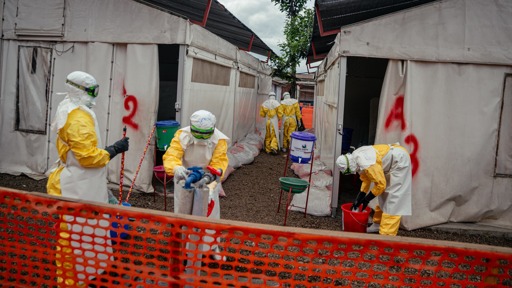
The Democratic Republic of Congo's Ebola outbreak has now killed more than 4,000 people, authorities announced, cementing its status as the fastest-growing Ebola epidemic ever recorded. The latest figures released by the health ministry on Thursday show 4,018 deaths among 8,300 confirmed cases — a toll that accounts for nearly half of all confirmed infections since the outbreak was declared on 15 May, according to the Associated Press.
Table of contents
- The numbers behind the milestone
- A virus with no vaccine
- Mistrust, violence and the fight to contain it
- International alarm and the response
- Key takeaways
- Sources
- Read more on Chronicle
The numbers behind the milestone
This is Congo's 17th Ebola outbreak, but nothing like the ones before it. The epidemic, which began in May, has already surpassed the country's 2018–2020 outbreak to become its largest. Ituri province remains the epicentre, carrying the bulk of cases, while health zones in the eastern North Kivu province — including the hotspot city of Butembo — continue to report new infections.
The World Health Organization has warned of the virus's rapid geographical spread into new health zones, stretching already thin resources. The Africa Centers for Disease Control and Prevention noted in its latest briefing that confirmed case numbers appear to be falling — but cautioned that the decline could simply reflect insecurity and communities' reluctance to cooperate with contact tracers in some hotspots.
A virus with no vaccine
What makes this outbreak uniquely dangerous is the pathogen itself. The epidemic is caused by Bundibugyo virus, a rare Ebola species for which there is currently no licensed vaccine and no approved specific treatment. That distinction matters enormously: the licensed Ervebo vaccine that helped end previous outbreaks targets the Zaire Ebola virus, and there is insufficient evidence it protects against this strain, according to the WHO. Research into vaccines and treatments for Bundibugyo is under way, but none is yet available for deployment.
Mistrust, violence and the fight to contain it
Efforts to slow the outbreak keep colliding with fear and violence. Widespread mistrust of health workers and authorities has hampered response efforts across the affected provinces. Last month authorities launched a village-centred approach to win over sceptical communities, but some residents have dismissed Ebola as a hoax, and deep distrust of the government — rooted in past outbreak mismanagement and chronic corruption — runs strong.
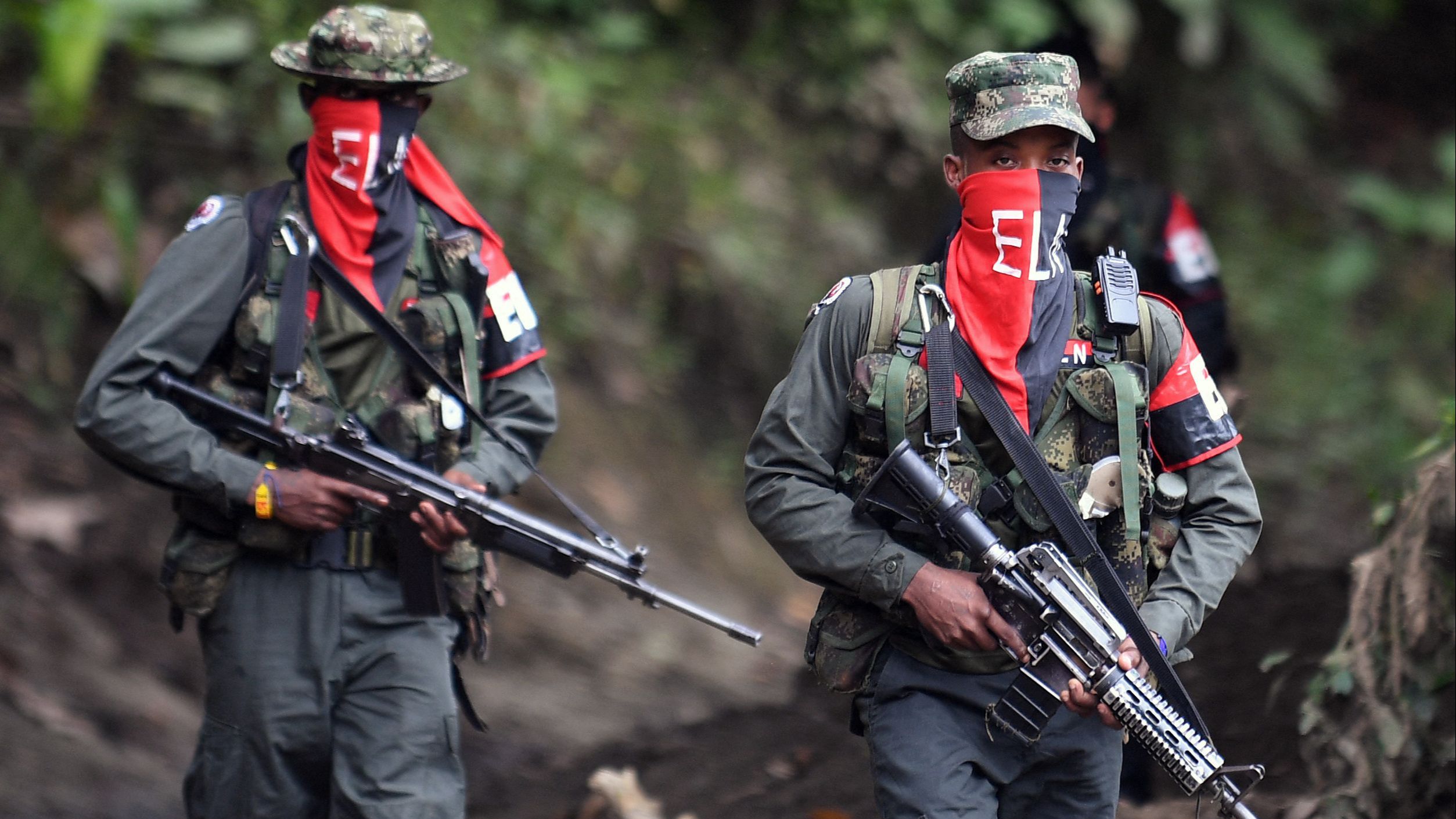
That tension turned deadly this week. A Congolese politician, Marie-Célestin Karondwa, a local official with the ruling Union for Democracy and Social Progress party, was attacked and beaten to death at his home in Butembo for defending government measures against the outbreak. His house was set on fire and he died of his injuries in hospital, the Associated Press reported. Separately, an Ebola transit and treatment centre was burned down, underlining the security challenges facing front-line workers — some of whom have also protested over unpaid wages.
International alarm and the response
The WHO has maintained a high level of concern since the outbreak's earliest weeks, describing the national risk as very high and the risk to Congo's neighbours as high. International support has been increasing, with new funding pledges from donor governments and mobile laboratories speeding up diagnostics in remote areas. But aid agencies say the combination of armed conflict, displaced populations and community resistance means containment will require a sustained, scaled-up response over many months.
Key takeaways
- Congo's health ministry reports 4,018 deaths among 8,300 confirmed cases — the fastest-growing Ebola outbreak on record.
- The outbreak is caused by the rare Bundibugyo virus, which has no licensed vaccine or specific treatment.
- Violence against health workers and politicians, plus community mistrust, is severely hampering containment in the east.
- The WHO warns of rapid spread into new health zones and says the response will need sustained international support.