The US Coast Guard has intercepted a large cargo vessel secretly carrying fuel to Cuba, boarding it in the Caribbean Sea and escorting it to Mexico, where inspectors found the ship's ballast tanks stuffed with illicit fuel. The seizure of the M/V Grace, announced on Friday, is the most dramatic move yet in the Trump administration's openly stated campaign to strangle Cuba's energy supply in order to force political change in Havana.
Table of Contents
- A Covert Run, Interrupted
- Inside the 'Dark Fleet' Playbook
- "The High Seas Are Not a Sanctuary for Lawlessness"
- Not the First: The Jaira Provider
- An Island in the Dark
- Why This Matters
- Key Takeaways
- Frequently Asked Questions
- Sources
- Read Next on Chronicle
A Covert Run, Interrupted
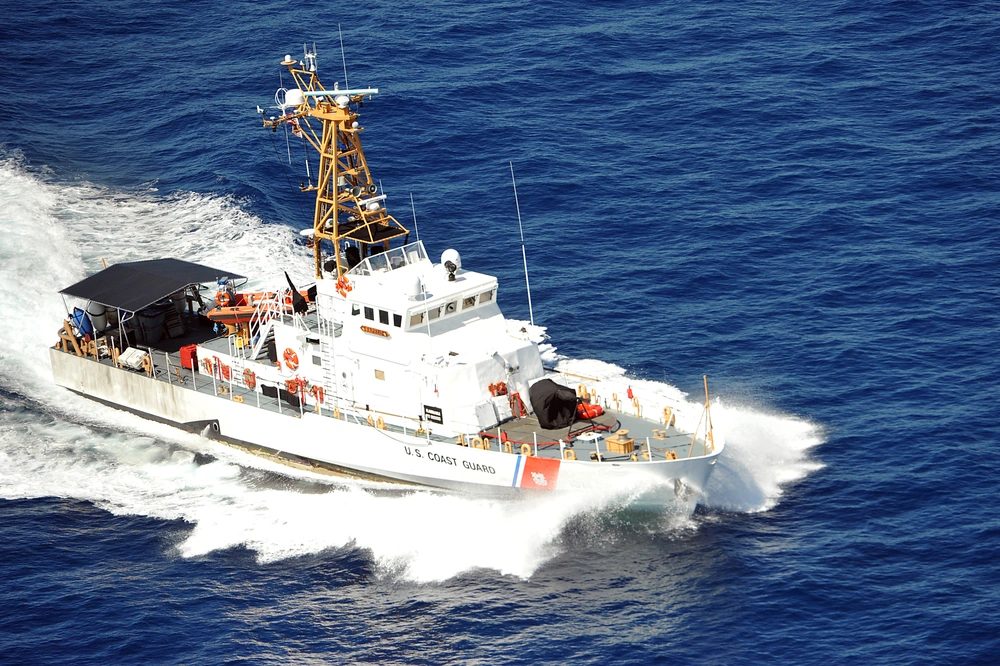
The interception played out on September 5 in the Caribbean Sea between Cuba and Mexico, but was only disclosed on Friday. A tactical law enforcement team boarded the 300-foot vessel Grace as it was transiting toward Cuba, believing it to be "employing tactics common amongst the dark fleet," according to the Coast Guard's statement reported by Reuters.
After the boarding, the Coast Guard escorted the ship to the port of Progreso in Mexico. There, a Mexican Navy inspection team confirmed what the Americans suspected: large quantities of fuel were hidden inside the vessel's ballast tanks, and several containers aboard were believed to hold additional illicit fuel. The operation, conducted with Mexican authorities, involved the cutters Alert and Charles Sexton, an HC-144 surveillance aircraft, the Tactical Law Enforcement Team South and Southeast District personnel, per Cuba Headlines.
The Coast Guard did not disclose the amount or type of fuel aboard, nor did it provide details of the ship's ownership, flag or intended recipient in Cuba — an omission that leaves the financing and logistics of the operation an open question.
Inside the 'Dark Fleet' Playbook
The "dark fleet" is the industry term for ships that use deceptive practices to obscure their ownership, movements or cargoes — switching off tracking transponders, falsifying manifests, or in this case, concealing cargo where no legitimate cargo should be. Ballast tanks exist to hold water or air to control a vessel's buoyancy; pumping fuel into them is not only clandestine but hazardous.
Carrying fuel inside ballast tanks created an additional environmental risk, the Coast Guard said, because the tanks are not designed to transport petroleum. A leak from those tanks in the Caribbean could foul coastlines, fishing grounds and marine ecosystems. "Illicit fuel shipments violate international law and pose severe environmental threats in the Caribbean Sea," said Vice Adm. Nate Moore, the Coast Guard's deputy commandant for operations, in comments reported by gCaptain. "We appreciate the Mexican government's assistance in bringing the M/V Grace to justice."
"The High Seas Are Not a Sanctuary for Lawlessness"
Coast Guard Commandant Adm. Kevin Lunday was blunt about the message Washington intends to send. "The high seas are not a sanctuary for lawlessness," Lunday said, per Reuters. "Dark fleet actors who employ deceptive tactics to engage in illicit activities will not evade justice." He said the service would continue targeting vessels using deceptive shipping practices.
The statement stopped short of explaining how authorities knew the fuel was bound for Cuba, or how much was aboard — details that could surface if the case moves toward prosecution or further enforcement action.
Not the First: The Jaira Provider
The Grace is not the only ship caught in the net. The Coast Guard also announced the seizure of the Jaira Provider, a vessel it says was carrying more than 200,000 gallons of fuel when it was seized on June 28. Like the Grace, the Jaira Provider was storing fuel in its ballast tanks, according to a report carried by ABC News.
Video first obtained by ABC News shows Coast Guard agents in tactical gear boarding a ship with guns drawn while a separate Coast Guard boat draws alongside — a glimpse of how Washington is enforcing a blockade it barely bothers to conceal anymore.
An Island in the Dark
The interdictions are part of what increasingly resembles a de facto US maritime fuel blockade of Cuba. The Trump administration has openly stated that its goal is to change Cuba's government, and the oil embargo imposed earlier this year has put the island under severe strain.
Oil shipments from Cuba's traditional suppliers — Venezuela and Mexico — ended abruptly after the US ousted Venezuelan President Nicolás Maduro in January. US Coast Guard cutters now patrol the waters off Cuba, while sanctions and threats have dissuaded tankers from even setting sail, per Reuters.
The result on the ground is a power crisis: prolonged blackouts that knock out water supply, lighting, refrigeration and communications, worsened by failing infrastructure that Havana cannot repair without fuel, parts or foreign exchange.
Why This Matters
The seizure marks a new phase in Washington's pressure campaign: not just sanctions on paper, but physical interdiction of fuel flows at sea, in cooperation with regional navies. It signals that any vessel running fuel to Cuba — however obscure its ownership — risks boarding, seizure and diversion.
For Havana, the Grace was a lifeline. For Washington, it was a test case. And for the Caribbean, it is a reminder that the region's waters are becoming a contested enforcement zone where a geopolitical standoff is being waged ship by ship.
Key Takeaways
- The US Coast Guard boarded the 300-foot tanker M/V Grace on September 5 in the Caribbean Sea, suspecting it of "dark fleet" tactics while bound for Cuba.
- Mexican Navy inspectors found large quantities of fuel hidden in the ship's ballast tanks plus suspicious containers.
- A second vessel, the Jaira Provider, was seized on June 28 carrying more than 200,000 gallons of fuel, also in ballast tanks.
- Coast Guard Commandant Adm. Kevin Lunday vowed continued targeting of deceptive shipping, calling international waters "not a sanctuary for lawlessness."
- The seizures fit a US oil blockade aimed at forcing political change in Cuba; Venezuelan and Mexican fuel supplies to the island have already ended.
Frequently Asked Questions
What is the "dark fleet"?
A loose term for ships that use deceptive practices — disabled transponders, false manifests, hidden ownership — to move sanctioned cargo like oil and fuel while evading scrutiny.
Why did the ship end up in Mexico?
After the boarding, the Coast Guard escorted the Grace to Progreso, Mexico, where Mexican Navy inspectors confirmed the hidden fuel. The operation was carried out in collaboration with Mexican authorities.
How is Cuba coping with the fuel blockade?
Badly. With traditional suppliers cut off and tankers deterred from sailing, Cuba faces fuel shortages and prolonged blackouts affecting water, lighting, refrigeration and communications.
Sources
- Reuters — Coast Guard intercepts the Grace bound for Cuba.
- gCaptain — Details of the interdiction and official statements.
- Cuba Headlines — Operational details and Mexican cooperation.
- ABC News — The Jaira Provider seizure.